Green Toile Seamless Patterns: A Versatile Design Resource
For designers, artists, and creators looking to add a touch of nature-inspired elegance to their work, Green Toile Seamless Patterns offer a unique and practical solution. These patterns combine the classic charm of toile with the modern need for seamless design elements. Whether you're working on digital art, textile design, or print projects, Green Toile Seamless Patterns provide a flexible and high-quality resource that can enhance your creative workflow.
What Are Green Toile Seamless Patterns?
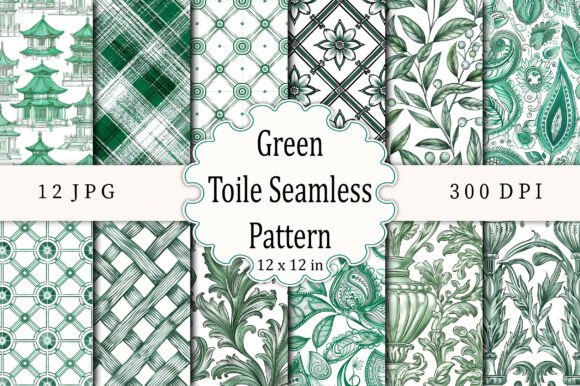
Green Toile Seamless Patterns are a collection of 12 unique JPG files, each measuring 12×12 inches at a high-resolution of 300 DPI. The term "toile" refers to a type of fabric pattern featuring repeating motifs, often inspired by nature, such as flowers, leaves, or vines. When combined with the green theme, these patterns bring a fresh, organic feel that can complement a wide range of design styles.
The seamless aspect of these patterns means they can be repeated without visible seams, making them ideal for backgrounds, textures, and surface designs. This makes them particularly useful in graphic design, interior decoration, and even fashion applications where consistency and continuity are important.
Why Choose Green Toile Seamless Patterns?
There are several reasons why Green Toile Seamless Patterns stand out among other design resources. First and foremost, their high-resolution quality ensures that they look sharp and professional, whether used digitally or in print. With 300 DPI, these files maintain clarity and detail, even when scaled up for larger formats.
Another key benefit is the versatility of the design. The green color palette offers a calming and natural aesthetic, which can be easily paired with other colors and styles. This makes Green Toile Seamless Patterns suitable for both traditional and contemporary projects. For instance, a designer might use them as a background for a website, a texture for a printed poster, or even as a base for a custom wallpaper design.
Additionally, the 12 unique JPG files provide a variety of options, allowing users to select the most appropriate pattern for their specific needs. This variety ensures that there's always a match for different design themes, from rustic to modern, and from minimalist to ornate.
How Green Toile Seamless Patterns Fit Into Modern Workflows
In today’s fast-paced creative environment, having access to high-quality, ready-to-use design elements can significantly streamline the workflow. Green Toile Seamless Patterns are designed with this in mind, offering a set of pre-made files that can be quickly integrated into various projects.
Graphic designers, for example, can use these patterns as overlays or backgrounds in their compositions. They can also serve as a source of inspiration for creating new designs, helping to spark creativity and innovation. In the realm of interior design, these patterns can be used to create custom wall coverings, fabric prints, or even furniture upholstery, bringing a natural and cohesive look to any space.
For those involved in e-commerce or branding, Green Toile Seamless Patterns can be used to develop consistent visual identities across different platforms. Whether it's a logo, packaging, or social media content, having a reliable and aesthetically pleasing pattern can help reinforce brand recognition and appeal.
Practical Benefits and Considerations
One of the main advantages of Green Toile Seamless Patterns is their ease of use. Since they come in standard JPG format, they are compatible with most design software and can be easily edited or customized. This makes them accessible to both novice and experienced designers alike.
However, it's important to consider the intended use before incorporating these patterns into a project. For instance, if the design is going to be used commercially, it's crucial to check the licensing terms to ensure that the files can be used without restrictions. Some patterns may require attribution or have specific usage guidelines, so understanding these details is essential.
Another consideration is the balance between style and functionality. While Green Toile Seamless Patterns are visually appealing, they should also serve the purpose of the design. Overusing complex patterns can sometimes overwhelm a composition, so it's important to use them thoughtfully and in moderation.
Examples of Green Toile Seamless Patterns in Action
Imagine a small business owner looking to create a new line of eco-friendly products. By using Green Toile Seamless Patterns, they can design packaging that reflects their commitment to sustainability while maintaining an attractive and cohesive look. The natural green tones would align with their brand values, and the seamless design would ensure a polished finish.
Alternatively, a digital artist might use these patterns as a base for a series of illustrations. By layering the patterns with other elements, they can create rich, textured visuals that add depth and interest to their work. This approach not only saves time but also helps maintain a consistent style across multiple pieces.
For a home decorator, Green Toile Seamless Patterns could be used to create custom curtains, throw pillows, or even painted murals. The ability to repeat the pattern seamlessly allows for a continuous and elegant design that enhances the overall ambiance of a space.
Final Thoughts on Green Toile Seamless Patterns
Green Toile Seamless Patterns offer a blend of beauty, functionality, and flexibility that can benefit a wide range of creative projects. Their high-resolution quality, seamless design, and versatile application make them a valuable addition to any designer's toolkit. Whether you're working on a personal project, a commercial endeavor, or simply exploring new design ideas, these patterns provide a reliable and inspiring resource.
By following the right practices and considering the specific needs of your project, you can maximize the potential of Green Toile Seamless Patterns and elevate your creative output. As more designers and artists turn to sustainable and nature-inspired aesthetics, the demand for high-quality, reusable design elements like these will continue to grow.